
Coming soon
Antenatal classes
Prepare for birth, and the weeks after.
Calm, practical classes for you and your birth partner: labour and birth, feeding, caring for your newborn and your own recovery. Our antenatal classes are coming soon. Join the waitlist and we’ll tell you first.

Coming soonJoin the waitlist and we’ll contact you first when classes open.
Planned with our doctor-guided team
For mothers and birth partners
Practical and evidence-based
Includes your recovery after birth
The basics
Know what to expect, and what to ask.
Good antenatal classes don’t tell you how your birth should go. They help you understand your options, so you can talk them through with your doctor and make your own choices.
What are antenatal classes?
Antenatal classes prepare you and your birth partner for labour, birth and life with a newborn. They usually start about 8 to 10 weeks before your due date, and they add to your antenatal check-ups with your doctor rather than replacing them.
What we’ll cover
From the last weeks of pregnancy to the first weeks home.
01
Late pregnancy
Staying comfortable, what to pack, and the signs that labour is starting.
02
Labour and birth
The stages of labour, breathing, upright positions, using a birth ball, and when to go to hospital.
03
Pain relief
Natural comfort measures and medical options such as an epidural, so you can discuss them with your doctor.
04
Caesarean and assisted birth
What happens during a planned or emergency C-section or an assisted birth, and how recovery differs.
05
Feeding your baby
How breastfeeding works, latching and positions, common early problems, and when to ask for help.
06
Newborn care
Holding, bathing, nappies, safe sleep, settling a crying baby, and warning signs that need a doctor.
07
Your recovery
The first forty days: rest, nourishment, emotions and the warning signs to watch for after birth.
08
The birth partner
How partners can help in labour and at home, from timing contractions to protecting your rest.

Why it helps
Less fear, more confidence.
A 2023 review of 18 trials found that prenatal education, alongside routine care, may reduce fear of childbirth and pain during labour (BMC Pregnancy and Childbirth, 2023). The authors noted that more high-quality studies are needed.
Many parents simply find that knowing what to expect makes the last weeks of pregnancy calmer, and the first weeks with a newborn less overwhelming.
Classes are also a good place to write down the questions you want to ask your doctor and your hospital.
Timing
When to start.
Around 20 to 28 weeks
Look into classes and join a waitlist. Popular classes can fill up early.
From about 30 weeks
Start classes around 8 to 10 weeks before your due date (NHS: antenatal classes), so everything is fresh when you need it.
By 36 weeks
Finish the course, pack your hospital bag and talk through your birth preferences with your doctor.
After your baby arrives
Put it into practice, with postnatal care at home if you’d like support.
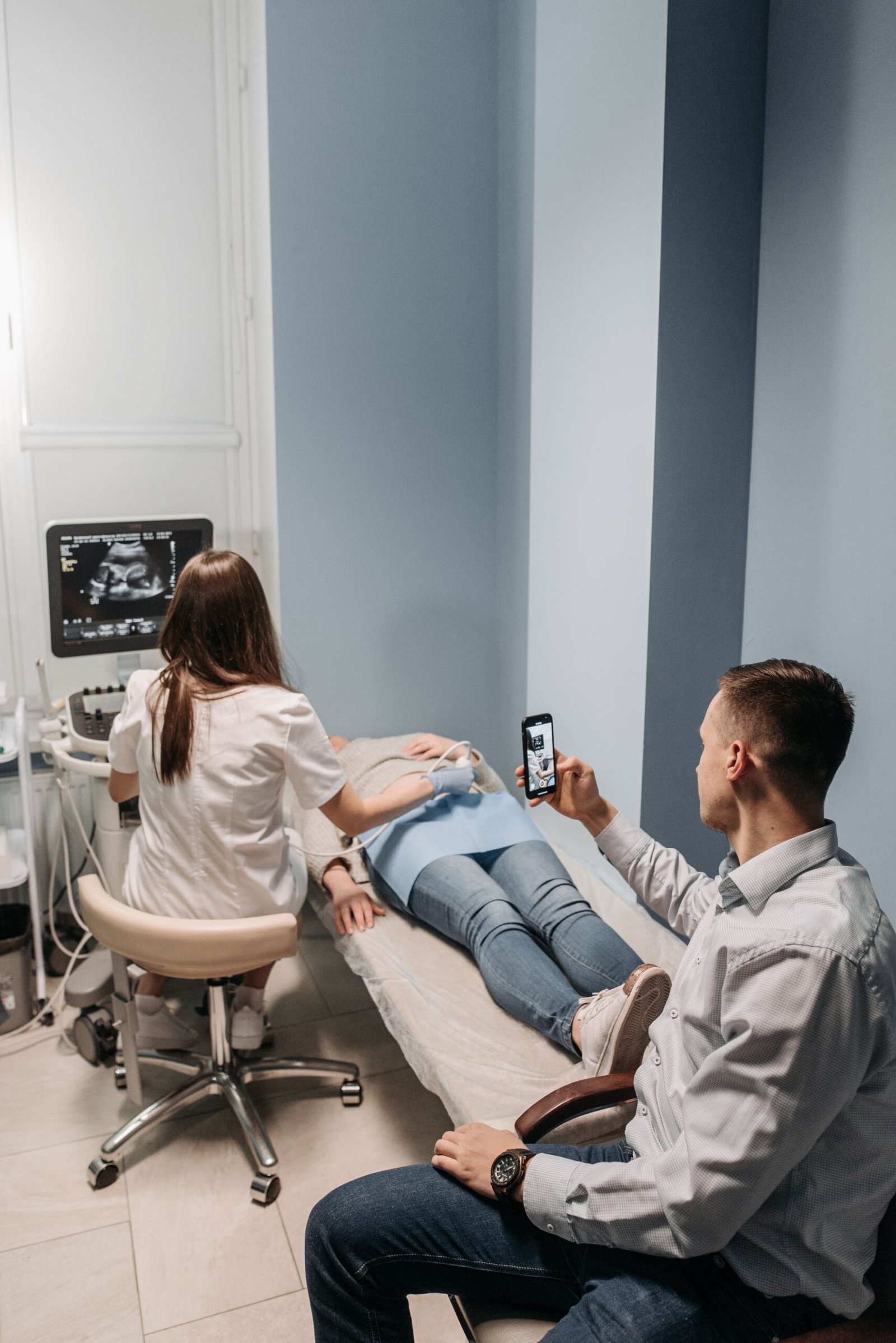
For partners too
Bring your birth partner.
Partners often feel unsure of their role. Classes give them practical ways to help, during labour and in the weeks after.
- Timing contractions and knowing when to call the hospital
- Comfort measures: massage, positions and breathing together
- Speaking up for your preferences in the labour room
- Helping with feeds, nappies and settling the baby
- Protecting your rest and spotting warning signs after birth
A head start
Questions to ask your hospital.
- Who can be with me in labour, and can they stay if I need a C-section?
- What pain relief is available, and when can I have it?
- What happens if my labour needs to be induced or sped up?
- Will my baby have skin-to-skin contact straight after birth?
- What help is there with breastfeeding in the first days?
- When should I come in once labour starts, and who do I call?
- When is my postnatal check, and who do I contact if I’m worried at home?
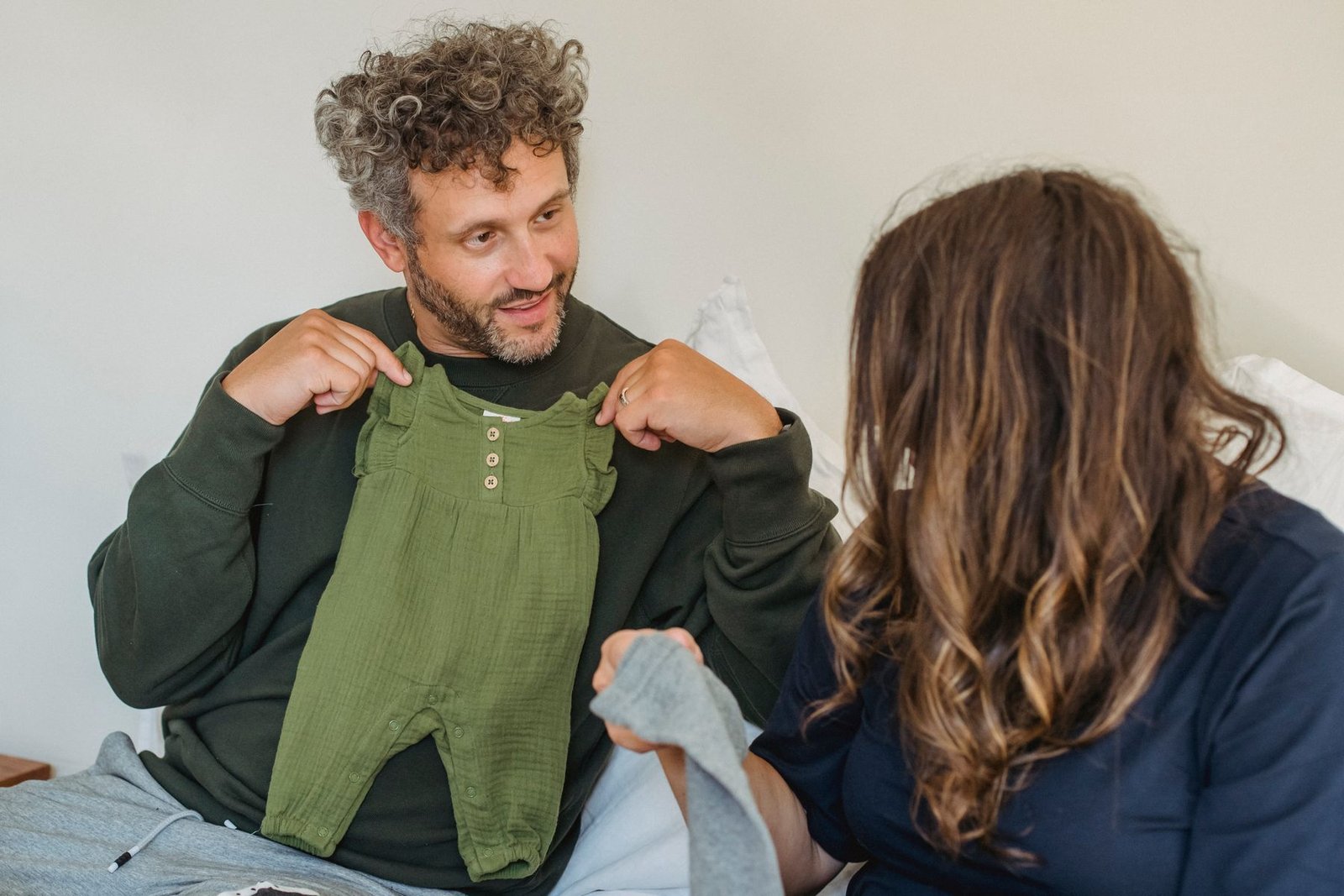
Coming soon
What we’re planning.
We’re designing antenatal classes with our doctor-guided team. Alongside the essentials of birth and newborn care, they’ll cover what most classes skip: your own recovery in the first forty days, including the traditional practices of Sutika Paricharya, explained honestly. Read more in our guide to Ayurvedic postnatal care at home.
Tell us what would suit you when you join the waitlist: classes at home, a small group, or online. Waitlist members hear first about dates, format and fees.
Joining is free and doesn’t commit you to anything.
Questions
Frequently asked questions.
When should I start antenatal classes?
Most parents start about 8 to 10 weeks before their due date, around 30 to 32 weeks. If you’re expecting twins, start earlier, as twins are more often born early.
Can my partner or a family member come?
Yes. Classes are planned for mothers and their birth partners, whether that’s a husband, mother, sister or friend.
Do antenatal classes replace my hospital check-ups?
No. Classes help you prepare and understand your options. Your antenatal check-ups with your doctor are still essential.
Will classes cover a C-section?
Yes. We’ll cover what happens in a planned or emergency caesarean and how recovery differs, so you’re prepared either way.
Is it too late to join in the third trimester?
Not at all. Many parents join in the third trimester. Tell us your due date when you join the waitlist.
When will classes start?
We don’t have dates yet. Join the waitlist and we’ll contact you first with dates, format and fees, with no obligation.