
In short: postpartum constipation is common, and so are piles (haemorrhoids) after delivery. Most mothers pass their first stool within two to three days of a vaginal birth, and many take longer after a C-section. What helps most is simple: plenty of fluids, fibre, warm food, short walks, a footstool under your feet, and a stool softener if your doctor agrees. What hurts most is straining. Piles usually settle within days to weeks. Call your doctor if you have severe pain, heavy bleeding, fever, vomiting, a swollen belly, or no stool for several days despite these steps.
The first stool after delivery is something many mothers dread, and few say so out loud. You have stitches, or a C-section wound, or a body that feels as though it has been rearranged. Then your gut, which has slowed down, asks you to sit on the toilet and push. It is no surprise that some new mothers put it off, and putting it off makes things harder.
This guide explains why constipation and piles happen after birth, what you can do at home, which foods and habits help in an Indian kitchen, what to avoid, and when to stop managing it yourself and call a doctor. It is general information, not a prescription. Your own doctor knows your delivery and your medicines.
Why postpartum constipation is so common
There is rarely one cause. Usually several pile up at the same time:
- Hormone changes. Hormone levels shift sharply after birth, and the gut can move more slowly.
- A sore or stitched perineum. Many mothers fear pain or tearing and hold back.
- Pain medicines. Some painkillers, and iron supplements, slow the gut. A Canadian health service notes that the bowels are often sluggish because of stretched muscles, a sore perineum and some pain medications (HealthLink BC).
- Less fluid and less movement. Feeding a baby around the clock makes it easy to forget to drink water or walk.
- Surgery. After a C-section, the gut may be slow after anaesthesia, and moving around is limited.
- Tiredness and a changed diet. Meals get skipped or become whatever is nearest.
Most mothers have a first bowel movement within two to three days after a vaginal birth, according to the same service. It can take a little longer after a C-section, and your hospital team will usually ask about it before discharge.
Piles after delivery
Piles are swollen veins in or around the back passage. They cause pain, itching and sometimes a little bleeding, and mothers often notice them for the first time after birth. WebMD lists several contributors: the weight of pregnancy making it harder for blood to return from the pelvis, constipation, straining, and pushing for a long time during delivery. If you had piles during pregnancy, they are more likely to be worse afterwards (WebMD).
The encouraging part is that most postpartum piles improve within days or weeks. Treat the constipation and you treat much of the problem.
What helps: a practical routine
Drink more than you think you need
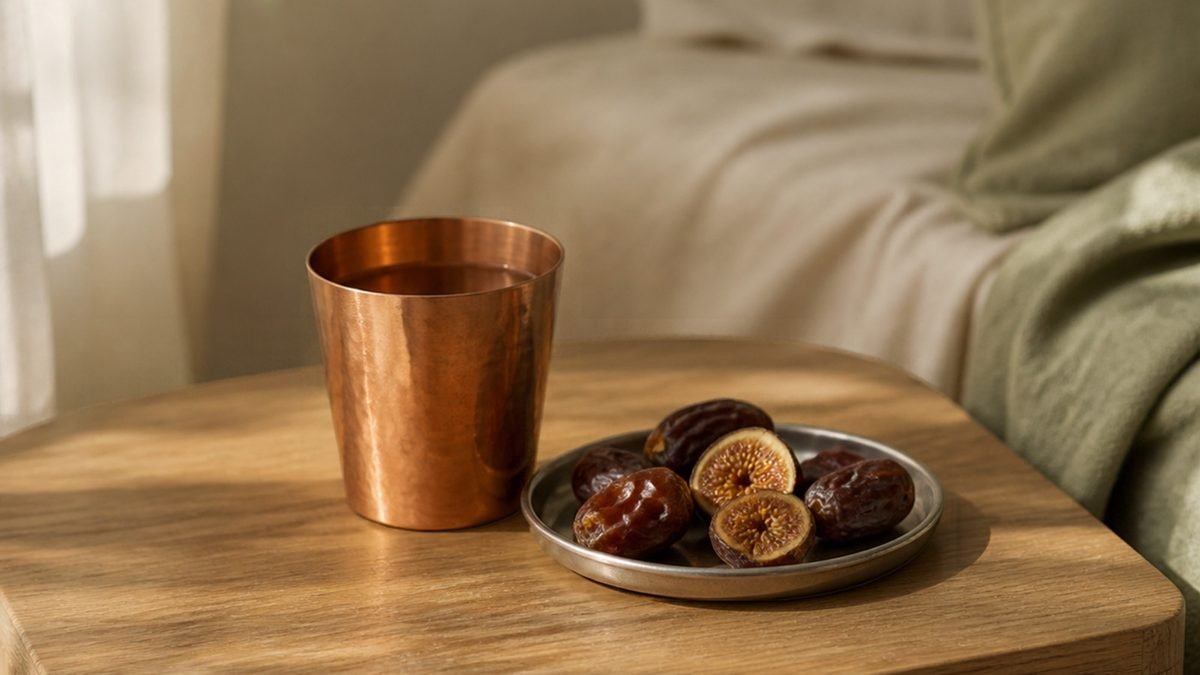
Water is the simplest remedy. WebMD suggests that breastfeeding mothers need about eight cups of fluid a day, and an NHS maternity leaflet suggests 1.5 to 2 litres a day, more in hot weather or if you are breastfeeding. Keep a bottle where you feed. A glass of warm water on waking is a familiar Indian habit and fits well here, if it suits you. Soups, dal, buttermilk and coconut water count too, unless your doctor has asked you to limit certain drinks.
Eat fibre in a form you can stomach
HealthLink BC suggests whole grains, bran, fresh fruit and vegetables, with dried fruit such as prunes and figs, and 100 percent fruit or vegetable juice. In an Indian kitchen, that can look like:
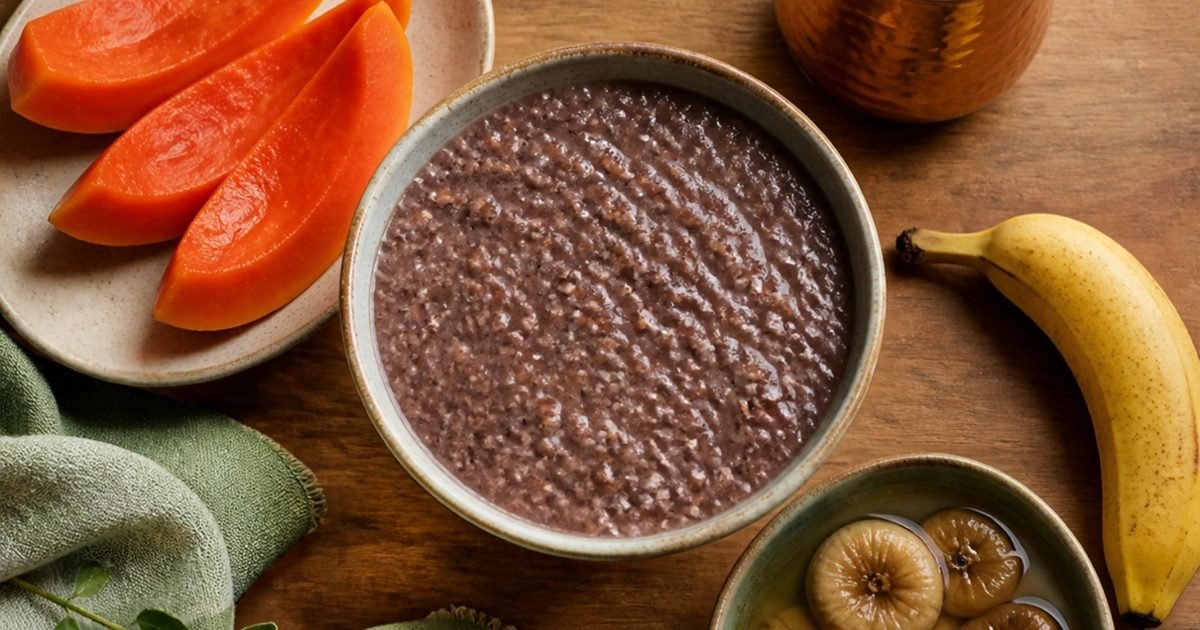
- Ragi or oats porridge, or whole wheat rotis, instead of only refined flour.
- Cooked vegetables in soups, kootu and sabzi at lunch and dinner.
- Ripe papaya or banana, and soaked figs or raisins.
- Dal with greens, and sprouts if they suit your digestion.
Fibre needs fluid to work. If you raise fibre without drinking more, you may end up bloated and no better. Add it gradually. Our postpartum diet guide explains the traditional food pattern, including warm, freshly cooked meals and a little ghee. Ghee is part of many recovery diets, and a small amount may help some mothers, but if you have been told to watch fat intake, follow your doctor’s advice.
Move a little every day
Short walks get the gut moving. Start with a few minutes around the house and build up as your doctor allows. After a C-section, follow your surgeon’s limits. Our C-section recovery guide covers what is usually safe and when.
Use a stool softener if needed
If food and fluids are not enough, HealthLink BC says you can try stool softeners, for a short time, and WebMD suggests asking your doctor about one. Ask before you buy, particularly if you are breastfeeding or have other conditions. Avoid strong laxatives unless your doctor recommends them. The same goes for herbal laxative preparations, including those sold as traditional postpartum remedies. “Natural” does not always mean suitable for a breastfeeding mother.
Support your feet and breathe out
Put a small stool under your feet so that your knees are above your hips. Lean forward a little, keep your back relaxed, and breathe out slowly instead of holding your breath and pushing hard. The NHS also advises avoiding straining on the toilet while your stomach muscles recover (NHS). If you have stitches, HealthLink BC suggests that before your first bowel movement, a cool, clean, wet pad on the area can be comforting. Many mothers also feel more secure holding a clean pad gently against the stitches while they go.
Do not ignore the urge
If you feel the need, go. Holding back dries and hardens the stool. Try to keep a regular time, such as after a warm drink or after breakfast.
Easing piles at home
WebMD lists measures that many doctors suggest for postpartum piles:
- Take a warm, not hot, sitz bath or soak for about 15 minutes, a few times a day.
- Apply a cloth-wrapped ice pack for 20 to 30 minutes at a time.
- Use witch hazel pads, kept in the fridge, if your doctor agrees.
- Sit on a soft cushion or foam ring.
- Lie on your side to nurse where possible, rather than sitting for long stretches.
- Keep stools soft so that you do not strain.
HealthLink BC adds that standing for long periods can add pressure, and that lying down helps. Creams and suppositories for piles exist, but check with your doctor or pharmacist first, particularly if you are breastfeeding.
A note on traditional care. Warm herbal baths and oil massage are part of the postnatal routine in many families, and our therapists deliver them with a doctor’s guidance. These are about rest and comfort. They do not treat constipation or piles, and your doctor may ask for a pause in a bath or abdominal massage if you have bleeding or a wound. Always tell your therapist about pain, bleeding or bowel problems so the plan can be adjusted.
What to avoid
- Straining and long sits. Do not scroll on your phone on the toilet. Go, and get up.
- Skipping water to avoid the toilet. It makes stools harder.
- Strong laxatives or enemas without advice. They can cause cramps and dehydration, and some are unsuitable after surgery.
- Heavy lifting early on. It raises pressure in your belly and pelvic floor. See our guide to pelvic floor exercises after delivery for protective habits.
- Ignoring iron tablets as a cause. If you take iron and feel blocked up, tell your doctor. Do not stop it on your own.
When to call your doctor
Constipation and piles are usually harmless. Call your doctor or midwife promptly if you have:
- Severe or worsening belly pain, or a swollen, hard abdomen.
- Vomiting, especially with no wind or stool.
- Fever, or a wound that is red, hot or leaking.
- Heavy rectal bleeding, black stools, or bleeding that continues beyond the first weeks.
- A painful, hard lump at the back passage that does not settle.
- No bowel movement for several days despite fluids, fibre and walking, or loss of bowel control.
- Constipation that lasts for weeks and does not respond to anything.
If you have heavy vaginal bleeding, a high temperature, chest pain or trouble breathing, treat it as an emergency and seek urgent care. WebMD says to contact your doctor if piles do not improve, so a persistent problem deserves a proper check.
How Sutika Home can help
Sutika Home provides doctor-guided, Ayurveda-informed postnatal care at home. A trained therapist visits daily for 7, 14, 28 or 40 days after a normal delivery or a C-section, with an oil massage, a herbal bath, and diet guidance suited to your delivery and to breastfeeding, all adapted to your recovery and your doctor’s advice. If constipation or piles are troubling you, tell the therapist on the first day, so meal suggestions and the schedule can reflect it. Our service does not diagnose or treat bowel conditions. For that, see your doctor. If you would like help in the weeks after delivery, you can request a call back. If you are weighing up how much support to arrange, our guide to postnatal care at home is a good place to begin.
Conclusion
Constipation after birth is usual, and piles often come with it. Drink steadily, eat fibre with your meals, walk a little, support your feet, and do not strain. Ask your doctor about a stool softener before you reach for stronger remedies. Most cases improve in days to weeks. Persistent pain, heavy bleeding, fever, vomiting or no stool for days are reasons to call, not to wait.
Frequently Asked Questions
How long does postpartum constipation last?
Most mothers have a first bowel movement within two to three days after a vaginal birth, and it may take a little longer after a C-section. Many settle within the first couple of weeks with fluids, fibre and movement. If it lasts longer, or is painful, speak to your doctor.
Is it normal not to poop for 3 days after delivery?
It can be. HealthLink BC says most mothers have a first bowel movement within two to three days after a vaginal birth. If you are in pain, vomiting, or swollen, or if it goes beyond three days after delivery with no relief, call your hospital or doctor.
Will straining open my stitches?
Stitches are designed to hold during normal bowel movements, but hard stools and straining are uncomfortable and are best avoided. Keep stools soft, support the area with a clean pad if it helps, and ask your doctor about a stool softener.
How do I get rid of piles after delivery?
Most improve in days to weeks. WebMD suggests warm sitz baths for about 15 minutes a few times a day, cloth-wrapped ice packs for 20 to 30 minutes, a cushion, and keeping stools soft. Check with your doctor before using creams or suppositories, particularly if you are breastfeeding.
Can I take a laxative while breastfeeding?
Some stool softeners are commonly used, but you should check with your doctor or pharmacist first. Avoid strong laxatives and herbal laxative mixes unless a doctor who knows you is breastfeeding has approved them.
What foods help constipation after delivery?
Whole grains such as ragi and whole wheat, cooked vegetables, fruit such as papaya and banana, soaked figs or raisins, dal and plenty of fluids all help. Add fibre gradually and drink more water alongside it.
Does an iron tablet cause constipation?
It can. If you take iron and feel blocked, tell your doctor. They may change the dose, timing or type. Do not stop the tablets on your own.
Is a postnatal massage safe if I have piles?
Many mothers have gentle massage, but it depends on your recovery. Tell your therapist about piles, pain or bleeding, and follow your doctor’s advice on when to start and what to avoid.