
Coming soon
Prenatal yoga
Yoga for your changing body.
Slow, breath-led yoga for pregnancy, adapted to each trimester and planned around your doctor’s advice. Our prenatal yoga sessions are coming soon. Join the waitlist and we’ll tell you first.
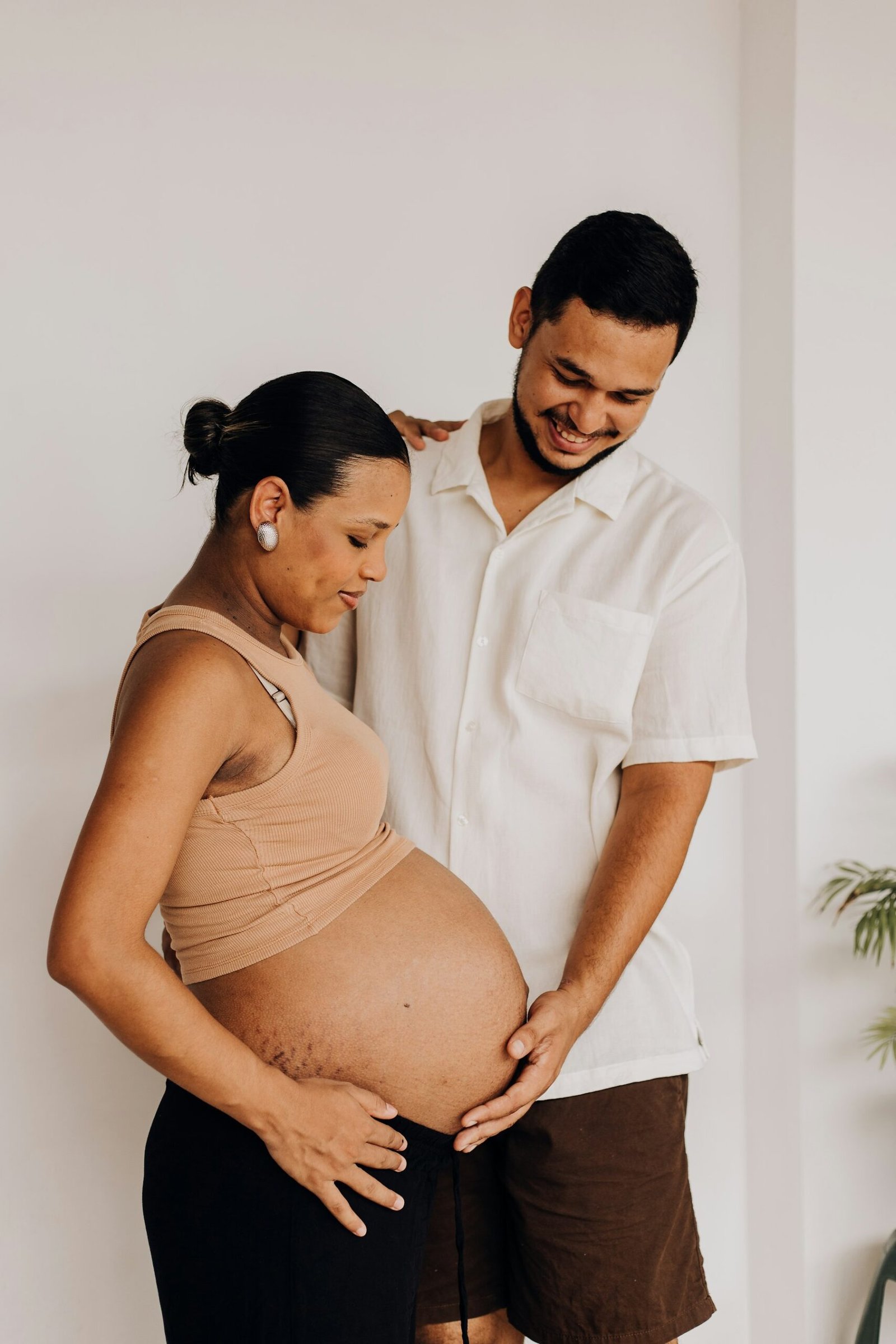
Coming soonJoin the waitlist and we’ll contact you first when sessions open.
Planned with our doctor-guided team
Adapted for each trimester
Breath-led and gentle
Your obstetrician’s advice first
The basics
Yoga, made for pregnancy.
Prenatal yoga keeps the parts of yoga that help in pregnancy (breathing, gentle strength, stretching and rest) and changes or leaves out the rest.
What is prenatal yoga?
Prenatal yoga is yoga adapted for pregnancy: gentle stretching, supported postures, breathing and relaxation, with poses changed or left out as your body changes. For most healthy pregnancies it is considered safe, but check with your doctor before you start.
01
Breath
Slow, steady breathing to calm the mind and ease tension. In pregnancy there’s no breath-holding and no forceful breathing.
02
Gentle movement
Supported postures for the back, hips and legs, using a wall, chair, cushions or blocks wherever they help.
03
Pelvic floor awareness
Learning to feel, relax and gently engage the pelvic floor, which helps in pregnancy and in recovery after birth.
04
Deep rest
Guided relaxation lying on your side or propped up, so you leave calmer than you arrived.
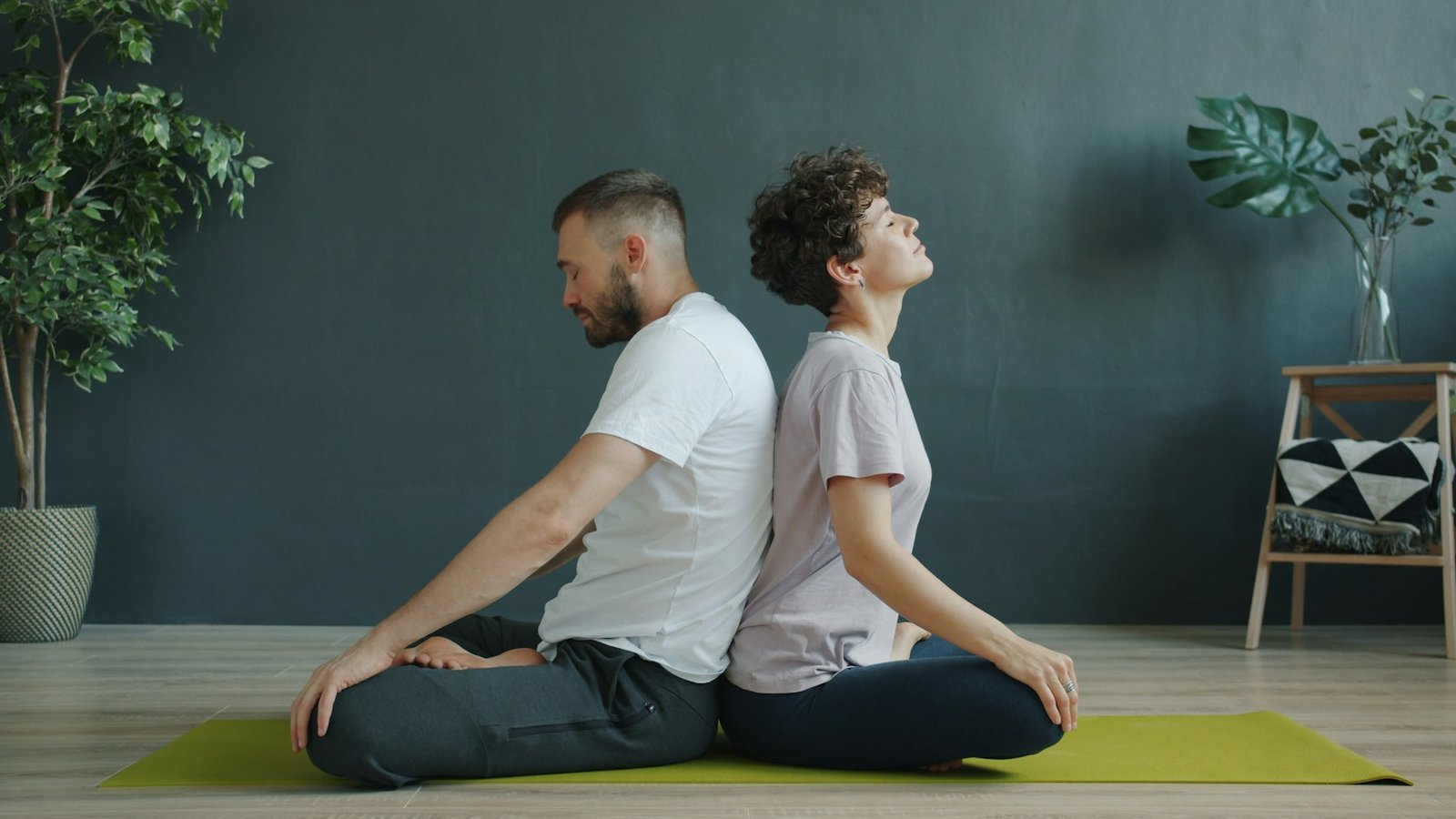
What the research says
Promising, not a promise.
A 2022 review of 31 studies found that yoga in pregnancy was linked to lower anxiety, depression and stress. Some trials also reported shorter labours and more vaginal births (BMC Pregnancy and Childbirth, 2022).
The authors rated the quality of the evidence as low to very low, so these results are encouraging but not certain. No harms were reported in the trials.
More broadly, the World Health Organization recommends at least 150 minutes of moderate activity a week in pregnancy for women without medical reasons to avoid it (WHO 2020 guidelines). Gentle yoga can be part of that.
Through your pregnancy
What changes, trimester by trimester.
Weeks 1 to 12
First trimester
Tiredness and nausea are common. Keep it gentle: breathing, easy stretches and plenty of rest. If you’re new to yoga, many teachers suggest waiting until the second trimester.
Weeks 13 to 27
Second trimester
Energy often returns. Supported standing poses and hip openers can ease a tired back. Avoid lying flat on your back for long; use a side-lying or propped-up position instead.
Week 28 to birth
Third trimester
Balance shifts as your bump grows. Use a wall or chair for support, rest on your side, and practise slow breathing you can use in labour.
Practising safely
How prenatal yoga is different.
Your body is changing fast, and pregnancy hormones loosen your joints. A good prenatal session works with that, not against it.
- No hot yoga. “Hot” or Bikram yoga is not advised in pregnancy (ACOG Committee Opinion 804).
- Not flat on your back for long. After the first trimester, rest on your side or propped up instead.
- No deep twists or belly pressure. Most teachers also avoid strong backbends, inversions and lying on the tummy.
- Stretch gently. Looser joints make it easy to overstretch, so stay well within your comfort.
- Stay cool and hydrated, and stop whenever something doesn’t feel right.

Your safety comes first
Stop and call your doctor if you notice:
- Vaginal bleeding
- Regular, painful contractions
- Fluid leaking from the vagina
- Dizziness or feeling faint
- Chest pain or a headache
- Calf pain or swelling
- Breathlessness before you’ve started
- Muscle weakness that affects your balance
Talk to your obstetrician before starting if you have a high-risk pregnancy, for example placenta previa after 26 weeks, pre-eclampsia or high blood pressure, a risk of preterm labour, a cervical stitch, persistent bleeding, heart or lung disease, or severe anaemia. Based on ACOG Committee Opinion 804.

Coming soon
What we’re planning.
We’re designing prenatal yoga sessions with our doctor-guided team, to sit alongside our prenatal care and lead naturally into postnatal care after your baby arrives.
Tell us what would suit you when you join the waitlist: sessions at home, a small group, or online. Waitlist members hear first about dates, format and fees.
Joining is free and doesn’t commit you to anything.
Questions
Frequently asked questions.
When can I start prenatal yoga?
Many women start in the second trimester, once early tiredness and nausea ease. If you already practise yoga, you can often continue gently from the start. Either way, check with your doctor first.
Is prenatal yoga safe in the first trimester?
Gentle breathing, relaxation and easy stretches are usually fine for healthy pregnancies. Strenuous or hot yoga is not. Your doctor can tell you what suits your pregnancy.
I’ve never done yoga. Can I still join?
Yes. Prenatal yoga is designed for beginners as well as regular practitioners, and every posture can be made easier or supported.
Will prenatal yoga make labour easier?
Some studies found shorter labours and more vaginal births among women who did yoga, but the evidence is weak. Yoga can help you feel calmer and more prepared; it can’t guarantee a particular kind of birth.
Can I do yoga with a high-risk pregnancy?
Only with your obstetrician’s go-ahead. Some conditions, such as placenta previa after 26 weeks or pre-eclampsia, mean exercise isn’t advised.
When will sessions start?
We don’t have dates yet. Join the waitlist and we’ll contact you first with dates, format and fees, with no obligation.