

In short: postnatal care for twins is the same recovery as for one baby, with a bigger load on top. Your body has carried more, you may have had a C-section or an earlier delivery, the stomach muscles are more likely to have separated, and two babies mean feeds, nappies and broken sleep multiplied. The practical answer is to plan help before the birth, decide who does what, protect your own meals and rest, and book home care for a longer stretch than you might for a single baby. Keep every postnatal check with your doctor, and ask about your stomach muscles before you start exercising.
When people say “double the work”, they undercount. Two babies can wake at different times, feed at different speeds, and need you in two places at once. At the same time, you are the person who just gave birth to both of them.
This guide is for mothers expecting twins, and for the relatives and partners who want to help properly. It covers what is different about recovery, how to organise help at home, feeding and sleep logistics, how to protect your own healing, what to ask a postnatal care provider, and the signs that need a doctor. It is general information, drawn partly from the UK charity Twins Trust, and does not replace the advice of your obstetrician and paediatrician.
Postnatal care for twins: what is different about recovery
Many parts of recovery are the same whether you had one baby or two: bleeding for a few weeks, sore stitches or a healing wound, tired breasts, tender muscles and a mind that does not switch off. For twins, a few things deserve extra attention.
You may have had a C-section. Twin deliveries are more often by caesarean, though not always. If that is you, our C-section recovery guide explains lifting limits and wound care.
Your stomach muscles may have separated. Twins Trust points out that the risk of separated stomach muscles, known as diastasis recti, is higher with twins and multiples. Check for it around six weeks before you start exercising. A gap of about 20 mm, or two fingers, between six and eight weeks is normal. The NHS says that if the gap is still obvious at eight weeks, you should contact your GP, because it can be linked with back problems (NHS). Until the gap closes, Twins Trust says to avoid planks, crunches, sit-ups, roll-ups, fast twisting and strong back bends.
Your pelvic floor has done a lot. Twins Trust suggests rebuilding it even after a C-section. Our guide to pelvic floor exercises after delivery shows how.
Your energy reserves may be lower. Carrying twins draws heavily on iron and other nutrients. Ask your doctor whether you should be tested for anaemia, and take any supplements as advised.
Your babies may be early or small. Many twins arrive before 37 weeks. If yours spent time in a neonatal unit, you may be recovering while commuting to the hospital, which adds fatigue and stress.
None of this means recovery will go badly. It means that “just rest and see” is not enough of a plan. Plan, and then rest.

Plan help before the birth
Twins Trust makes a point that applies to almost every family: accept offers of help, and ask when none are made. The charity also suggests directing helpers to real chores such as laundry, shopping, cooking and cleaning, not to holding the babies while you do the chores.
Here is a simple way to turn that into a plan, ideally in your third trimester:
- Make a list of the household jobs that will pile up: meals, dishes, laundry, shopping, school runs if you have an older child, bills, phone calls.
- Assign each job to a person, not to “family”. A name beats a hope.
- Stock the freezer. Twins Trust recommends preparing meals ahead and freezing them. Ask relatives to cook and drop food, instead of only visiting.
- Plan where the babies will sleep. Twins Trust lists this among the questions to settle before they arrive.
- Ask your health team about home visits. Twins Trust notes that many areas in the UK offer extra home visits for multiples. Availability in India varies, so ask your hospital or paediatrician what follow-up they offer.
- Decide your rules for visitors. Short visits, hand-washing, and a task for every guest.
If you are doing this without elders nearby, our article on postnatal care for nuclear families suggests how to split tasks between partners and paid help.
Feeding two babies
Feeding is the part families worry about most, and Twins Trust is honest that feeding two, three or more babies day and night is something to think through before birth. There is no one right answer. Some mothers breastfeed both, some combine breast and bottle, some express, and some formula-feed. What matters is that both babies are growing and you are not collapsing.
Practical ideas:
- Share feeds. If you are breastfeeding, let your partner or helper manage nappies, burping and settling afterwards so you can rest between feeds. If you are combining, a bottle of expressed milk or formula at night can give you a longer stretch of sleep.
- Keep a simple log. For the first weeks, note feed times and nappies for each baby. A notebook by the bed works better than memory.
- Get breastfeeding help early. A lactation consultant or your paediatrician can help with positions and latch. Our guide to breastfeeding support at home explains what to ask.
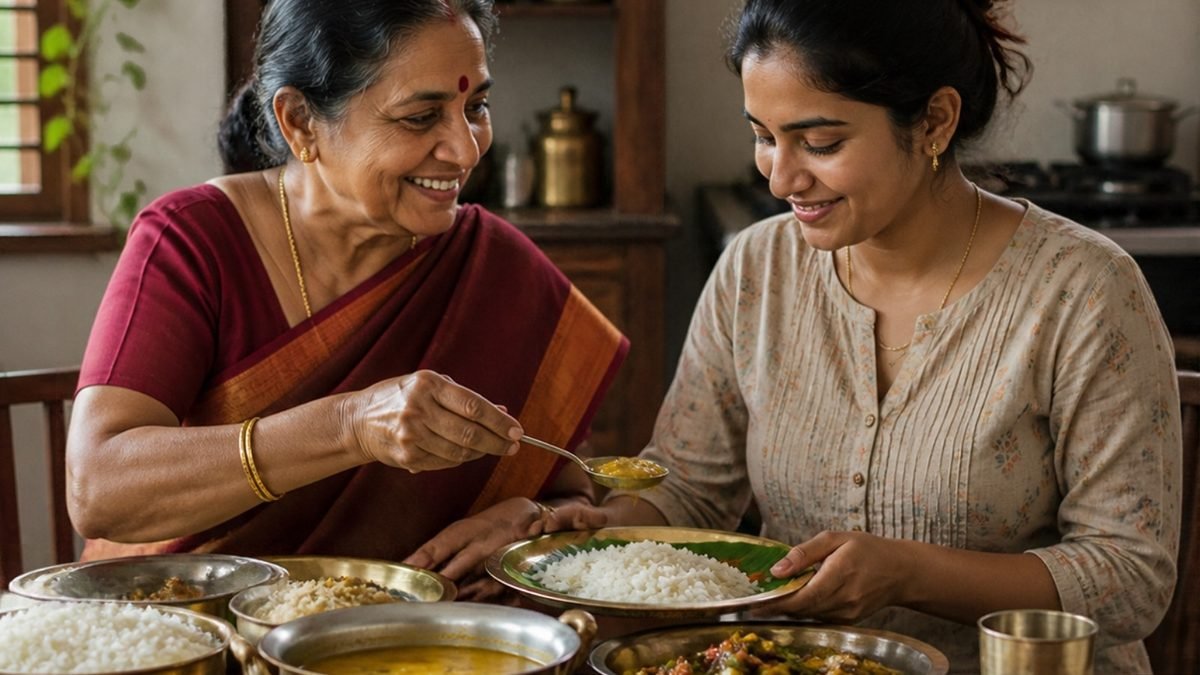
- Eat and drink on a schedule. Twins Trust says cooking is easy to neglect and suggests asking helpers to make you a meal. Keep a bottle of water and a snack at each feeding spot.
Sleep, rest and safe sleep
You will not get a full night for a while. What you can do is protect a few longer stretches. Pair up with your partner or helper so that one adult is on duty while the other sleeps, rather than both of you being half awake all night. Sleep when the babies sleep, even for 20 minutes, and let the housework wait.
Follow your paediatrician’s safe-sleep advice for newborns. In general, that means babies sleeping on their backs on a firm, flat mattress, without pillows, loose blankets or soft toys. Ask your paediatrician whether your twins should share a cot or sleep in separate ones, and whether you need two sleeping spaces. If you are exhausted, avoid falling asleep with a baby on a sofa or armchair. Our article on baby blues and postpartum depression is worth reading too, because mothers of twins carry a heavy load, and low mood is common. If you feel hopeless, cannot sleep even when you have the chance, or have thoughts of harming yourself or your babies, seek help from a doctor straight away.
Looking after your own recovery
It is easy to put yourself last when there are two newborns. Try to keep these basics:
- Eat three meals and two snacks. Warm, simple food counts. Our postpartum diet guide shows what a recovery plate can look like.
- Move gently. Short walks help your mood and circulation. Postnatal-specific classes are better than general ones, and Twins Trust warns that overdoing exercise can cause lasting damage. Progress gradually.
- Support your back. Feeding and lifting two babies strains your posture. Our guide to back pain after delivery has simple fixes.
- Keep your checkups. The WHO recommends that healthy mothers and newborns have at least three more postnatal contacts in the first six weeks, at 48 to 72 hours, at 7 to 14 days and in week six, with more if there are risks (WHO, 2022). With twins, your doctor may want to see you and the babies more often.
- Think of recovery as moving forward. Twins Trust describes it as bouncing forward, not trying to return to your pre-pregnancy body. That is a kinder goal.
What to ask a postnatal care provider if you have twins
Home care can take a lot of pressure off, but not all plans suit a twin household. Ask each provider:
- How long are the visits, and what happens if both babies need you at the visit time? Ask whether the time can be flexible.
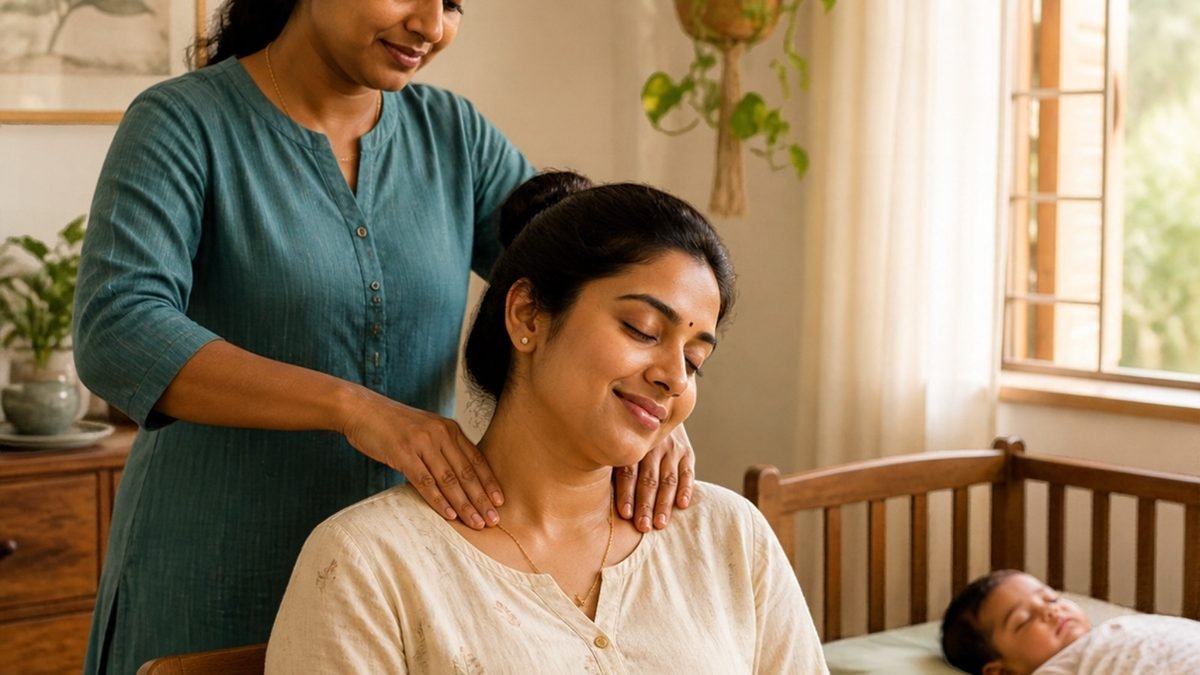
- What is the plan for the mother, and what is for the babies? Many plans focus on the mother’s recovery. Baby massage or bath may be an optional extra, and may or may not be available for twins. Ask directly.
- Is a doctor involved in planning? After a C-section or a complicated delivery, therapies must be adapted.
- Can the plan be extended? With twins, you may want 28 or 40 days instead of 7 or 14. Ask how extending works and what it costs. Our guides on postnatal care packages and postnatal care cost explain how to compare quotes.
- Who does the cooking and cleaning? Therapists focus on the mother’s recovery. They do not replace a nanny or cook. Our comparison of a postnatal care therapist versus a nanny helps you work out whether you need both.
When to call a doctor
For you: heavy bleeding that soaks a pad in an hour, fever, severe pain, a wound that is red or leaking, a painful swollen leg, chest pain or breathlessness, or thoughts of harming yourself. For your babies: fever, poor feeding, unusual sleepiness, breathing trouble, yellow skin that is deepening, or fewer wet nappies than expected. Call your doctor or go to the nearest emergency department. With twins, do not assume that a symptom in one baby will pass. Check both.
How Sutika Home can help
Sutika Home provides doctor-guided, Ayurveda-informed postnatal care at home. A trained therapist visits daily for 7, 14, 28 or 40 days after a normal delivery or a C-section, with an oil massage, a herbal bath, diet guidance and other traditional therapies adapted to your recovery and your doctor’s advice. Our therapists look after the mother’s recovery. They do not replace a nanny, and they do not do household work. For many mothers of twins, that daily visit is a fixed point: a rested hour, a hot bath and a proper conversation about food, while a helper at home handles the babies. If you would like to plan this, you can request a call back, and tell us that you are expecting twins so we can discuss timing and plan length.
Conclusion
Recovery after twins is recovery after pregnancy and birth, with more babies to feed and fewer hours to sleep. Plan help in advance, give every task an owner, share the feeds, protect a few longer stretches of sleep, check your stomach muscles before you exercise, and keep every medical check. Choose a longer care plan if you can, and ask providers specific questions about twins. Asking for help is not a failure of mothering. It is a sensible response to a hard job.
Frequently Asked Questions
Is recovery harder after having twins?
It can be. Carrying twins stretches the stomach muscles more, you are more likely to have had a C-section, and you have two babies to feed. Many mothers recover well with good planning and help, but expect it to take time, and see your doctor if something does not feel right.
How much help do I need after twins?
Most families benefit from help with meals, cleaning and night-time care for at least the first several weeks. Twins Trust suggests accepting offers of help and giving people real chores. If family is not nearby, consider paid help for cooking, cleaning or a postnatal care plan.
How long should I book postnatal care for twins?
There is no single right length. Longer plans, such as 28 or 40 days, often suit twin households because recovery and sleep loss last longer. Your delivery, your doctor’s advice and the help you have at home should decide.
When can I exercise after having twins?
Check for separated stomach muscles around six weeks. Twins Trust says a gap of about two fingers between six and eight weeks is normal, and that you should avoid planks, crunches and sit-ups until it closes. If the gap is still obvious at eight weeks, see your doctor. Start with gentle pelvic floor exercises and walking.
Can I breastfeed twins?
Many mothers do, either exclusively or alongside bottles. It takes planning and support. Ask your doctor or a lactation consultant for help with positions, supply and a routine, and share other tasks so that you can rest.
Should twins sleep in the same cot?
Practice varies, and the right answer depends on your babies and your paediatrician’s advice. Whatever you choose, babies should sleep on their backs on a firm, flat surface with no pillows or loose blankets. Ask your paediatrician for guidance specific to your twins.
Does postnatal massage help after twins?
Gentle massage can help you rest and ease muscle tension. It does not treat medical problems, and after a C-section or other complications, it must be adapted and started only when your doctor approves.